![Why Your Local Profile SEO is Failing in 2026 [4 Fixes]](https://gbpchecklistpro.com/wp-content/uploads/2026/02/Why-Your-Local-Profile-SEO-is-Failing-in-2026-4-Fixes.jpeg)
It was a moment of frustration that hit me like a ton of bricks. I had invested countless hours optimizing my Google Business Profile, meticulously following every tip I found online, only to see my local rankings stagnate or worse, decline in 2026. Just last month, I watched a nearby competitor skyrocket in the local pack, and I couldn’t help but wonder—what am I missing this time? This lightbulb moment pushed me to reassess my approach, and I realized that the landscape of local SEO is evolving rapidly. If your business is facing similar struggles, let me assure you—you’re not alone, and there are solid solutions.
Understanding Why Your Local Profile Is in Trouble
Is Your Strategy Still Making the Grade?
Many local entrepreneurs fall into the trap of copying last year’s checklist, assuming that what worked in 2025 still holds true. But in 2026, the rules have shifted. Search engines are smarter, competition is fiercer, and consumer behavior is more dynamic than ever. Early on, I made a crucial mistake—thinking that keyword stuffing and fake reviews would boost my visibility instead of focusing on authentic, user-centered optimization. That oversight cost me valuable local traffic and calls.
According to recent studies, Google updates its algorithms multiple times each year, with some changes significantly impacting local rankings (source: Moz). Failing to adapt to these shifts can leave your profile behind, preventing potential customers from finding your business when they need you most.
Have you noticed that despite your efforts, your local visibility has hit a plateau or even declined? If so, you’re probably experiencing the consequences of outdated tactics or overlooked factors. Next, I’ll show you the key fixes that will get your profile back on track, ensuring you stay competitive in this ever-changing landscape.
Audit Your Existing Profile for Hidden Gaps
Start by thoroughly reviewing your current Google Business Profile (GBP). Look for inconsistent NAP (Name, Address, Phone) details, outdated photos, or missing categories. Think of this as cleaning your storefront window—make sure everything is clear, accurate, and inviting.
Optimize Your Business Information for Local Signals
Ensure your business name, address, and phone number are consistent across all online platforms. Use primary categories that align with your core services, not just broad labels. For example, choose “Electrician” over “Home Services” to target precise searches. This consistency acts like breadcrumbs leading Google straight to your doorstep, boosting your rankings.
Add and Enhance Visual Content
People trust visuals—so upload high-quality photos that showcase your location, team, and products. Refresh these images monthly to demonstrate activity. Remember, a picture speaks louder than words and signals engagement to local algorithms. 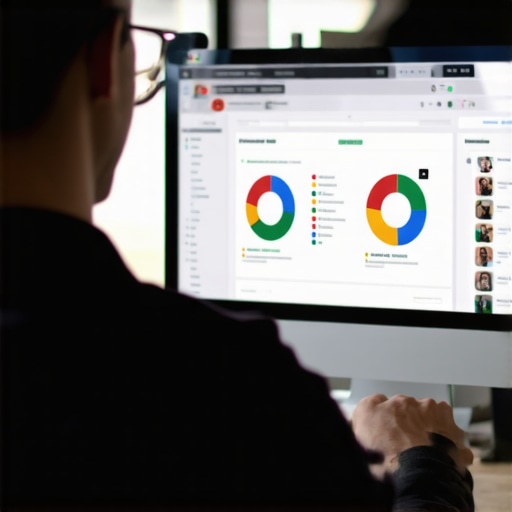
Leverage Posts and Attributes Strategically
Regularly publish updates about promotions, events, or new offerings through GBP posts. Use attributes to highlight features like “Wheelchair Accessible” or “Wi-Fi Available.” These small details can be decisive for locals choosing your business over competitors. Think of attributes as badges of trust and convenience that Google values highly.
Solicit and Manage Customer Reviews Actively
Encourage satisfied clients to leave positive reviews. Respond promptly and professionally to all feedback, especially negative ones. Reviews act as social proof and signal credibility to Google’s local algorithm. A strategic review management process turns satisfied customers into ambassadors, elevating your visibility.
Utilize Local Profile SEO Hacks
Implement localized keywords naturally within your business description and service offerings. Incorporate location-specific terms like “Best pizza in downtown Chicago.” This approach makes your profile resonate more with local search intent. For comprehensive tactics, I recommend checking out local profile SEO hacks for ideas.
Monitor and Adjust Based on Performance Data
Use Google Insights to track how users find and interact with your profile. Watch for shifts in search queries or engagement patterns. Adjust your content and optimization efforts accordingly. Think of this as fine-tuning your storefront’s lighting or signage to attract more fellow passersby.
While applying a checklist can seem straightforward, many businesses fall prey to common myths that hinder true local SEO success. One widespread misconception is that following a rigid, step-by-step guide guarantees top ranking—yet, in reality, the landscape has become far more complex. Search engines now weigh subtle signals like user engagement and review authenticity more heavily than ever, which many overlook. Relying solely on generic optimization steps can lead to a false sense of security, blinding you to advanced nuances like local intent signals and AI-driven ranking factors. For example, Google has shifted towards behavioral analytics, incorporating user interaction metrics into rankings, as highlighted by Moz’s latest algorithm analysis. This means that your strategy should go beyond simple keyword stuffing or standardized profile updates. Instead, focus on understanding the unique nuances of your local audience and how they interact with your profile.
A common trap is neglecting the importance of engaging with reviews thoughtfully. Responding with generic replies not only alienates customers but also signals to Google that your profile lacks activity and authenticity. Instead, aim for personalized interactions that build trust and encourage further engagement. Additionally, many overlook the subtle impact of GMB ‘attributes’—these little data points serve as trust signals that can influence visibility. Are you utilizing all available attributes to align with your local customers’ priorities?
Another critical nuance lies in the timing and frequency of updates. Businesses often think that a one-time optimization effort suffices, but Google favors active profiles with regular fresh content. Glitches like inconsistent NAP details across listings can quietly sabotage your local pack presence, despite having an optimized profile. Continuous audits and updates are key, pushing beyond the basics to edge out competitors.
Don’t fall into the trap of assuming that your existing checklist is enough for 2026’s dynamic landscape. Instead, deepen your understanding of local signals, user behavior, and evolving Google algorithms. For a comprehensive upgrade plan, I recommend reviewing tailored strategies at our guide on GBP optimization in 2025 and staying ahead of emerging trends.
Have you ever fallen into this trap? Let me know in the comments. Staying aware of these nuanced mistakes can make all the difference in elevating your local profile above the competition.
Keep Your GBP Effort Going Strong
Once you’ve optimized your Google Business Profile and started to see improvements, the real challenge is maintaining that momentum. To do so effectively, you need the right tools and a structured approach. I personally rely on SEOquake for quick audits of my profile consistency and keyword rankings. Its detailed SEO metrics help me spot any irregularities early, preventing small issues from snowballing into ranking drops. Additionally,Moz Local remains a cornerstone for managing local citations, ensuring NAP consistency across directories, which is crucial for preserving local trust signals. Moving forward, Trustpilot allows me to monitor and respond to reviews seamlessly, maintaining active engagement that Google favors for rankings.
Equip Yourself for Automated Monitoring
Automation is key for sustained success. I use Local Falcon to track local pack rankings over time. This tool provides real-time updates, so I can quickly react to ranking fluctuations—be it an algorithm update or a sudden drop. Predicting where local search is headed, I anticipate even greater integration of AI and user behavior analytics. Google’s evolving algorithms are leaning more towards personalized, behavior-based signals—meaning your ongoing engagement and review management become more critical than ever.
How Do I Keep My GBP Strategy Effective Over Time?
It’s about refining, not just repeating your initial strategies. Continually update your profile with fresh photos, post engaging updates, and respond to reviews with genuine, personalized messages. Incorporate new local keywords based on the latest search trends, and regularly run audits with tools like SEMrush to identify emerging opportunities. Remember, a static profile quickly becomes invisible; active management keeps you ahead of competitors. For an in-depth method, check out our comprehensive GBP maintenance checklist.
The future of local SEO leans heavily into AI and automation. According to Google’s official developer documentation, intelligent algorithms will increasingly prioritize real-time engagement signals. Use automation tools now to adapt quickly, and experiment with AI-driven content updates—like scheduled posts or review prompts—to stay on top.
One tip I highly recommend trying today is setting up automated review requests through tools like Baravision. This practice ensures ongoing review growth, which is a proven ranking factor. Test this method and see how it elevates your profile’s reputation and visibility consistently.
Lessons That Changed My Approach to GBP Optimization
The biggest realization was that relying solely on traditional checklists is a trap in 2026—Google’s algorithms now prioritize engagement, authenticity, and user behavior signals over old-school tactics. I learned that proactive review management and real-time content updates can dramatically elevate rankings, breaking through the stagnation I faced. Additionally, obsessively auditing NAP consistency across directories became clear as a game-changer, ensuring trust signals align perfectly. Lastly, embracing automation tools not just saves time but also keeps my profile agile in this fast-evolving landscape.
My Go-To Resources for Staying Ahead in Local SEO
The cornerstone of my success is the comprehensive GBP guide for 2025. It offers detailed strategies that are continually updated, framing the foundation for success. I also swear by the ultimate ranking checklist, which serves as a practical roadmap for daily optimization tasks. To monitor my progress effectively, tools like Moz Local help me maintain citation consistency, while Local Falcon keeps an eye on rankings in real-time. These resources keep me prepared for the next Google update and help me refine my strategies constantly.
Keep Moving Forward With Confidence
The journey to mastering local SEO and your Google Business Profile isn’t a sprint—it’s an ongoing adventure. As algorithms continue to evolve, staying curious, adaptable, and proactive is your best weapon. Remember, the most successful local profiles are those that combine strategic optimization with genuine engagement. Your efforts today will set the foundation for long-term success tomorrow. Dive into the resources and tactics discussed here, take consistent action, and don’t be afraid to experiment—your local visibility in 2026 depends on it.
This post really hits home for me. I’ve been noticing that despite following what I thought were best practices for my GBP, my local rankings haven’t improved and seem to have plateaued. The part about Google leaning more towards user engagement and authenticity in reviews really resonated with me. I recently started focusing more on personalized responses to reviews and updating my photos more frequently, and I think these small tweaks are starting to pay off. It makes me wonder, how do others balance the need for fresh content with the demands of running their daily business? I’d love to hear about effective strategies for maintaining consistency without it becoming overwhelming, especially for small teams.
This post brings up some crucial points about the evolving landscape of local SEO in 2026. I’ve experienced firsthand how easy it is to fall into the trap of relying on outdated tactics like keyword stuffing and static profiles. Like the author, I noticed that continuous engagement and authentic updates make a tangible difference in rankings. I started to incorporate story-driven posts and image updates that highlight real customer interactions, and I’ve seen more traffic coming in. It makes me wonder: how many businesses are really leveraging the full potential of local profile attributes and engagement signals? Are there common pitfalls to be aware of when trying to balance frequent updates with maintaining quality content? I’d love to hear from others who have experimented with automation tools or creative content strategies to keep their profiles active without overextending their resources.
This post really hits home, especially the reminder that local SEO in 2026 is far more nuanced than just ticking off a checklist. Over the years, I’ve realized that the real game-changer is authentic engagement—responding thoughtfully to reviews, regularly updating visuals, and using local keywords naturally. I’ve found that balancing these ongoing efforts with running a small team can be challenging, but leveraging automation tools like Moz Local and Local Falcon has helped me maintain consistency without burnout. What strategies have others here found most effective to keep their profiles fresh while managing daily operations? I’m curious whether anyone has specific routines or software that makes this process more manageable. Ultimately, I agree—staying proactive and adaptive is key to staying ahead in this ever-evolving landscape.