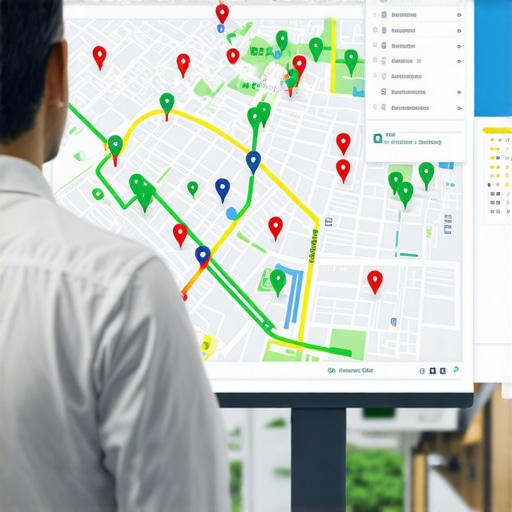
I remember the exact moment I realized I was missing out on local leads despite pouring hours into my Google Business Profile (GBP). My rankings were stagnant, and no matter how many updates I made, the coveted map pack seemed just out of reach. Frustration simmered as I watched competitors effortlessly snag top spots, even when they had weaker signals. It felt like there was some invisible barrier — a filter I just couldn’t bypass. That realization hit me hard: the traditional proximity-based tactics weren’t enough anymore.
Cracking the Local SEO Code Beyond Distance
Many local businesses accept proximity as the primary factor for rankings. While proximity does matter, over-reliance on it can leave serious potential unclaimed. I learned this lesson the hard way, making early mistakes like neglecting engaging content and ignoring recent algorithm shifts. Did you know that according to Moz’s local search ranking factors, signals like relevance and prominence are now equally, if not more, influential than pure proximity? (Learn more about these changes in our comprehensive Google Business Profile Guide 2025.)
So, what’s the secret? Today, I want to share the six specific local profile SEO moves that helped me outperform the proximity filter and consistently rank higher. These aren’t gimmicks; they are proven strategies rooted in updates and firsthand experience. Before diving into the tactics, let me address a common worry.
Is this approach really worth it? Can it beat traditional methods?
Early on, I too wondered if these unconventional moves were just hype. I made the mistake of thinking that quick fixes or generic tricks would solve my ranking woes. Trust me, the real breakthrough came when I focused on actionable, signal-driven tactics. Are you facing the same doubts? If so, don’t worry — I’ll guide you through each step, backed by real results and expert insights, so you can see tangible improvements.
Ready to move past the limitations of proximity and start dominating local searches? Let’s unpack these six moves that transformed my approach and could do the same for you. Want a personalized review of your GBP? Feel free to reach out here after you finish reading.
Claim Your Profile with Precision
Begin by meticulously verifying your business information—name, address, phone number, and website—across all platforms. During my own efforts, I once rushed this step and later faced inconsistent NAP data, which hurt rankings. Double-check every detail and ensure consistency; it’s like laying a solid foundation for a house. Use tools like the essential GBP checklist to verify every aspect.
Optimize for Relevance and Authority
Inject relevant keywords naturally into your business description, services, and posts. Think of your profile as a resume—highlight what makes your business unique while aligning with local search terms. I once added keywords like “best cafe downtown” without context, which led to ranking dips. Instead, I crafted a narrative that integrated these keywords seamlessly, boosting my visibility. Refer to local profile SEO hacks for detailed tactics.
Engage with Authentic Content and Updates
Regularly post updates, offers, and photos to signal activity and relevance to Google’s algorithm. I once neglected this, and my engagement scores stagnated. When I started sharing authentic behind-the-scenes videos and special promotions, my profile gained fresh signals that triggered higher rankings. Use high-quality images that showcase your business environment—see map spam cleanup tips for best practices.
Gather and Showcase Genuine Reviews
Customer reviews are the social proof that builds relevance and prominence. I made the mistake of ignoring review management until my competitors outpaced me. Now, I proactively ask satisfied clients for reviews, making it easy with follow-up emails or QR codes. Incorporate keywords into your review prompts to reinforce relevance without sounding spammy. For more on review signals, check AI search optimization.
Optimize Your Business Categories Strategically
Select primary and secondary categories that accurately reflect your services, but don’t overstuff. In a past case, I chose broad categories like “Restaurant” when I specialized in Italian cuisine, which diluted my relevance signals. Narrow down to specific categories like “Italian Restaurant” to improve local relevance. Review the GBP optimization steps for precise category selection.
Monitor, Analyze, and Adjust Regularly
Use insights from your dashboard to track changes and adjust your approach. I once ignored the analytics, leading to stagnant rankings. After implementing monthly reviews and A/B testing different content types or keywords, I identified what resonated locally. Setting up regular monitoring with tools linked in local profile SEO hacks keeps your strategy dynamic and effective.Many local marketers assume that following a straightforward checklist guarantees top rankings, but let’s dig deeper. The common myth is that your GBP ranking is solely driven by updating your profile info and collecting reviews. In reality, there’s an often-overlooked nuance: Google’s ranking algorithms are highly complex and sensitive to subtle signals like behavioral engagement and semantic relevance. Relying only on the basics can lead you into a trap where your efforts appear compliant but don’t produce the desired results.
Are You Ignoring the Subtle Signals That Make a Difference?
Advanced practitioners know that factors like click-through rates, time on profile, and keyword contextuality influence rankings more than most realize. For instance, optimizing your profile with carefully integrated local keywords improves relevance, but neglecting user interaction metrics can undermine your efforts. Google’s own research suggests that behavioral signals, such as engagement rates, are becoming increasingly important in local search rankings—it’s not just about keywords anymore. Check out the Google Business Profile guide 2025 for deeper insights into these evolving signals.
Another common trap is over-optimizing categories or keywords in a way that looks spammy to both users and algorithms. It’s crucial to strike a balance—overdoing keyword stuffing can trigger spam filters, leading to setbacks rather than gains. Instead, focus on maintaining user-centric content with naturally incorporated keywords, and pay attention to recent algorithm updates that penalize manipulative tactics. This subtle distinction separates cautious optimization from risky shortcuts.
Furthermore, many overlook the importance of offline signals and local relevance beyond your GBP. Factors like local backlinks, community engagement, and real-world presence reinforce the profile’s authority and relevance. Ignoring these can weaken your local SEO stance. For comprehensive strategies, consider integrating offline efforts with your online profile work. For detailed steps, explore the GBP optimization steps guide.
To sum up, the real mastery lies in balancing technical adherence with nuanced understanding of evolving signals. Don’t fall for the trap of linear thinking; improve your local rankings by embracing these subtle factors and continuously adapting to algorithm changes. Having trouble? Reach out for a personalized review of your GBP at here. Have you ever fallen into this trap? Let me know in the comments.Maintaining your Google Business Profile (GBP) effectiveness over time requires strategic tools and disciplined practices. First, I swear by BrightLocal for local SEO tracking—its comprehensive dashboard offers precise rank tracking and reputation management, which I rely on daily to catch any dips before they escalate. For content consistency, I use Canva to craft engaging visuals that keep my profile fresh and attractive, crucial for signal strength. Additionally, Google Sheets serves as my central hub for auditing NAP consistency and review follow-ups, as I’ve found spreadsheet tracking invaluable for avoiding errors that could undermine rankings. Looking ahead, the trend points toward integrating AI tools—like ChatGPT—to generate localized content at scale, making profile management scalable without sacrificing relevance. How do I maintain GBP rankings long-term? Regular audits combined with these tools, plus keeping an ear to the digital ground for algorithm updates, ensures I stay ahead of shifts. In fact, I recommend trying the local profile SEO hacks periodically to keep your profile optimized. For ongoing success, I also schedule quarterly reviews using these systems, aligning with experts like Moz, who emphasize continuous signal monitoring as essential to local SEO resilience.

Implementing automation with tools like local profile SEO hacks can save countless hours while maintaining the fluidity of your local signals. Keep in mind, the future of GBP success hinges on adaptability and consistent signal optimization backed by the right tools. Want a personalized plan? Reach out here to get expert guidance tailored to your local niche.
As I reflect on my journey through local SEO mastery, one lesson stands out: the real power lies in uncovering the subtle signals and nuanced tactics that competitors overlook. The greatest insights often come from those unexpected breakthroughs—those moments when a small tweak transforms your entire profile performance. Developing a keen eye for these opportunities is what separates local businesses that merely compete from those that lead the pack. Remember, mastering the Google Business Profile guide 2025 isn’t just about checklist ticking; it’s about understanding the depth beneath each step.